
GallStone in pregnancy
The gallbladder is a small, pear-shaped organ located beneath the liver on the right side of the abdomen. Its primary function is to store and concentrate bile, a digestive fluid produced by the liver.
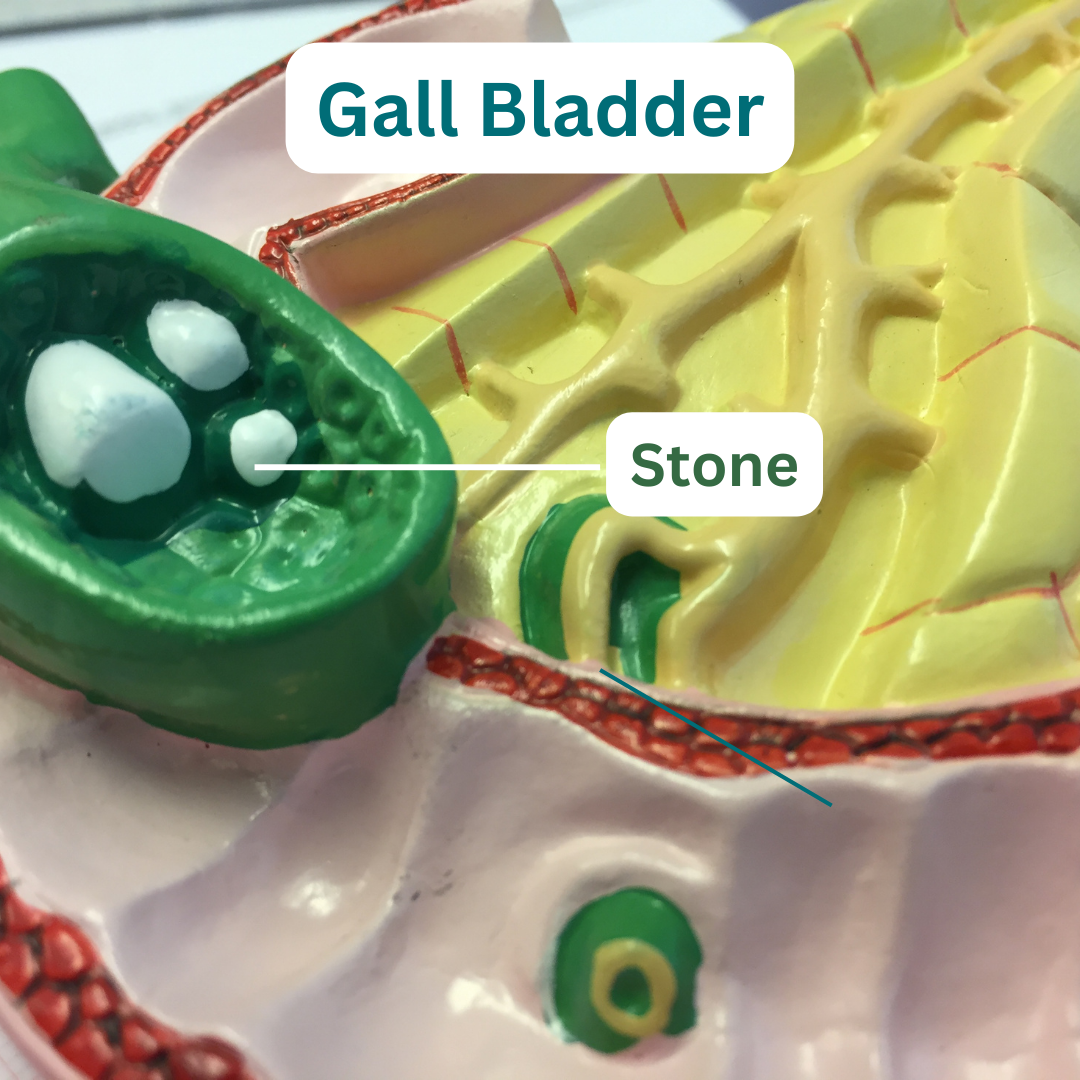
How do gallstones appear?
The hardened deposits of digestive fluid (bile) that can form in the gallbladder are known as gallstones.
Types: Most commonly, cholesterol stones bilirubin-formed pigment stones
Why Are Pregnant Ladies at Higher Gamble?
-
Changes in the Hormones: Higher levels of estrogen and progesterone can slow down the gallbladder’s emptying process, resulting in bile stasis and the formation of stones. - Slower Digestion: The hormones that women go through during pregnancy slow down digestion, which can also make gallstones. Expanded Cholesterol: More elevated cholesterol levels during pregnancy can build the gamble of cholesterol stones.
Symptoms of Gallstones During Pregnancy
Biliary Colic: Sharp, intense pain in the upper right abdomen that can radiate to the back or shoulder.
Nausea and Vomiting : Often accompanies the pain.
Indigestion: Discomfort after eating fatty meals.
Jaundice: Yellowing of the skin and eyes if a stone blocks the bile duct.
Diagnosing Gallstones in Pregnant Women
Ultrasound: Safe and effective for diagnosing gallstones.
Blood Tests: To check liver function and rule out other causes of symptoms
Plan For Your Visit

Identification
Bring ID for registration and verification.

Recent Lab Results
Bring recent lab results for evaluation.

Questions
Prepare questions for your consultation.
Types of Gallstones:
- Cholesterol Stones: These are the most common type, often yellow-green in color, and primarily composed of hardened cholesterol.
- Pigment Stones: These are smaller, darker stones made up of bilirubin, a substance that results from the breakdown of red blood cells.
Risk Factors:
Several factors can increase the risk of developing gallstones, including:
- Obesity
- High-fat diet
- Rapid weight loss
- Diabetes
- Certain medications (e.g., cholesterol-lowering drugs)
Diagnosis and Treatment:
Certainly, here are the symptoms of gallstones.
Diagnosing and treating gallbladder issues, such as gallstones or gallbladder inflammation, involves a combination of medical history, physical examination, imaging tests, and sometimes surgery. Here’s an overview of how these conditions are typically diagnosed and treated:
Diagnosis
- Medical History and Physical Exam:
- The doctor will ask about symptoms, such as pain in the upper right abdomen, nausea, vomiting, and any digestive issues. They will also perform a physical examination to check for tenderness in the abdomen.
- Imaging Tests:
- Ultrasound: This is the most common test used to look for gallstones. It can detect stones and signs of inflammation in the gallbladder.
- CT Scan: A CT scan can provide detailed images of the gallbladder and detect complications like infection or perforation.
- HIDA Scan (Cholescintigraphy): This test evaluates gallbladder function by tracking the flow of bile.
- MRCP (Magnetic Resonance Cholangiopancreatography): This MRI-based technique provides detailed images of the bile ducts, liver, gallbladder, and pancreas.
- Blood Tests:
- Blood tests can help detect signs of infection, inflammation, jaundice, or other complications like pancreatitis by checking liver enzyme levels and bilirubin.
Treatment
- Lifestyle and Dietary Changes:
- Reducing fat intake can help manage symptoms. Eating smaller, more frequent meals and maintaining a healthy weight can also be beneficial.
- Medications:
- Bile Acids: Medications like ursodiol can help dissolve cholesterol gallstones, though this process can take months or years and is not always effective.
- Pain Relief: Over-the-counter pain relievers or prescribed medications can help manage discomfort.
- Non-surgical Procedures:
- Endoscopic Retrograde Cholangiopancreatography (ERCP): This procedure can remove stones from the bile duct but is not typically used for gallstones in the gallbladder itself.
- Surgery:
- Cholecystectomy: The surgical removal of the gallbladder is the most common treatment for symptomatic gallstones or gallbladder disease. It can be done laparoscopically (minimally invasive) or via open surgery. Most people recover well and can lead normal lives without a gallbladder.
- Monitoring:
- If gallstones are not causing symptoms (asymptomatic), a “watch and wait” approach may be taken, where regular monitoring is conducted without immediate intervention.
Conclusion
Gallstones can be a significant concern during pregnancy, but with proper management and care, most women can navigate this condition safely. If you suspect you have gallstones, consult your healthcare provider for a personalized plan to keep you and your baby healthy. any pregnant women suffering with Gallstone problem can consult DR .Govind Yadav he is best general surgeon in Gurgaon
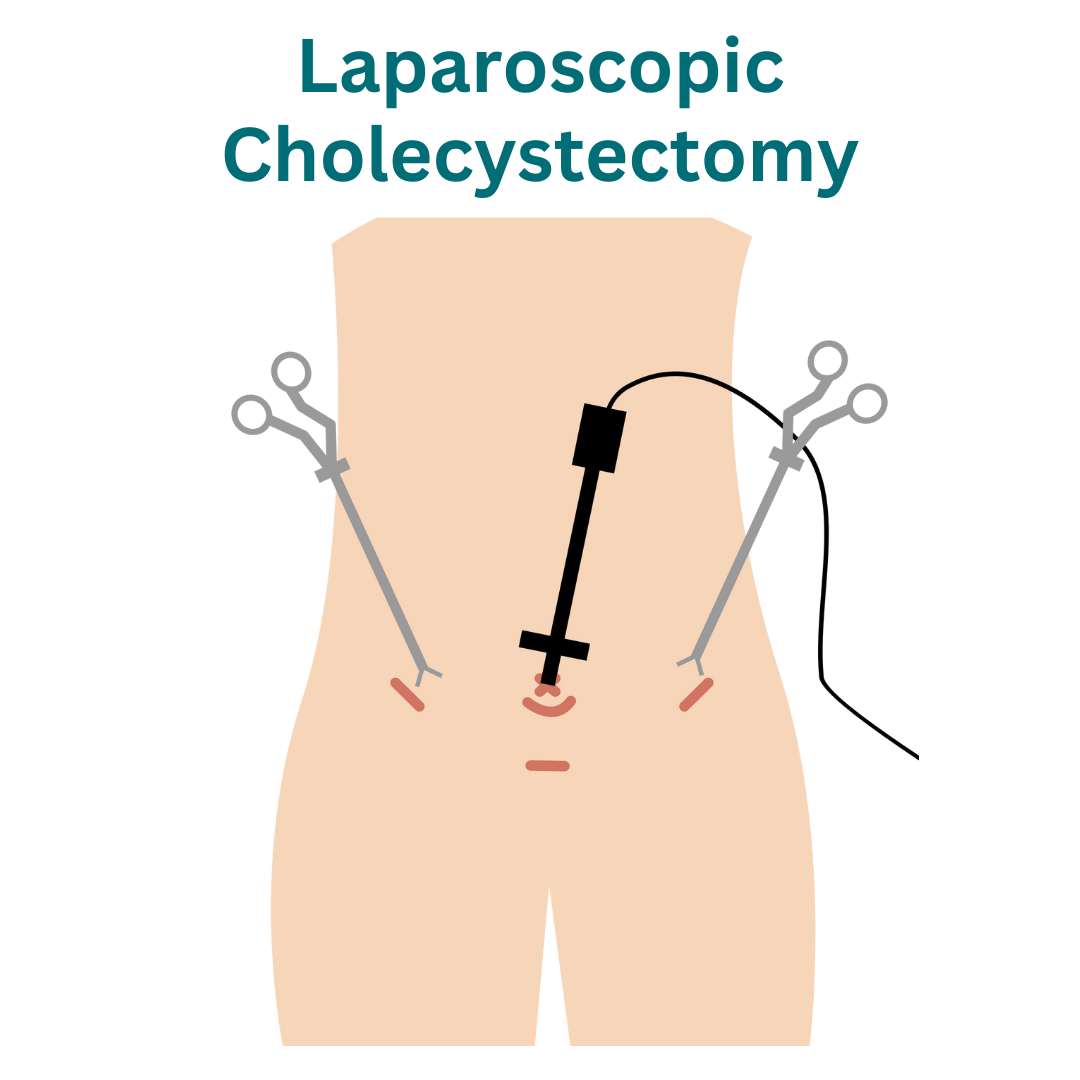
Gallbladder stone surgery, often referred to as a cholecystectomy, is the procedure to remove the gallbladder, usually because of symptomatic gallstones. Here’s what you need to know about the surgery:
Types of Cholecystectomy
-
Laparoscopic Cholecystectomy:
- Procedure: This is the most common method. It involves making several small incisions in the abdomen. A laparoscope (a thin tube with a camera and light) is inserted through one of the incisions, allowing the surgeon to see inside the abdomen and guide their instruments to remove the gallbladder.
- Benefits: It typically involves less pain, a shorter hospital stay, quicker recovery, and minimal scarring compared to open surgery.
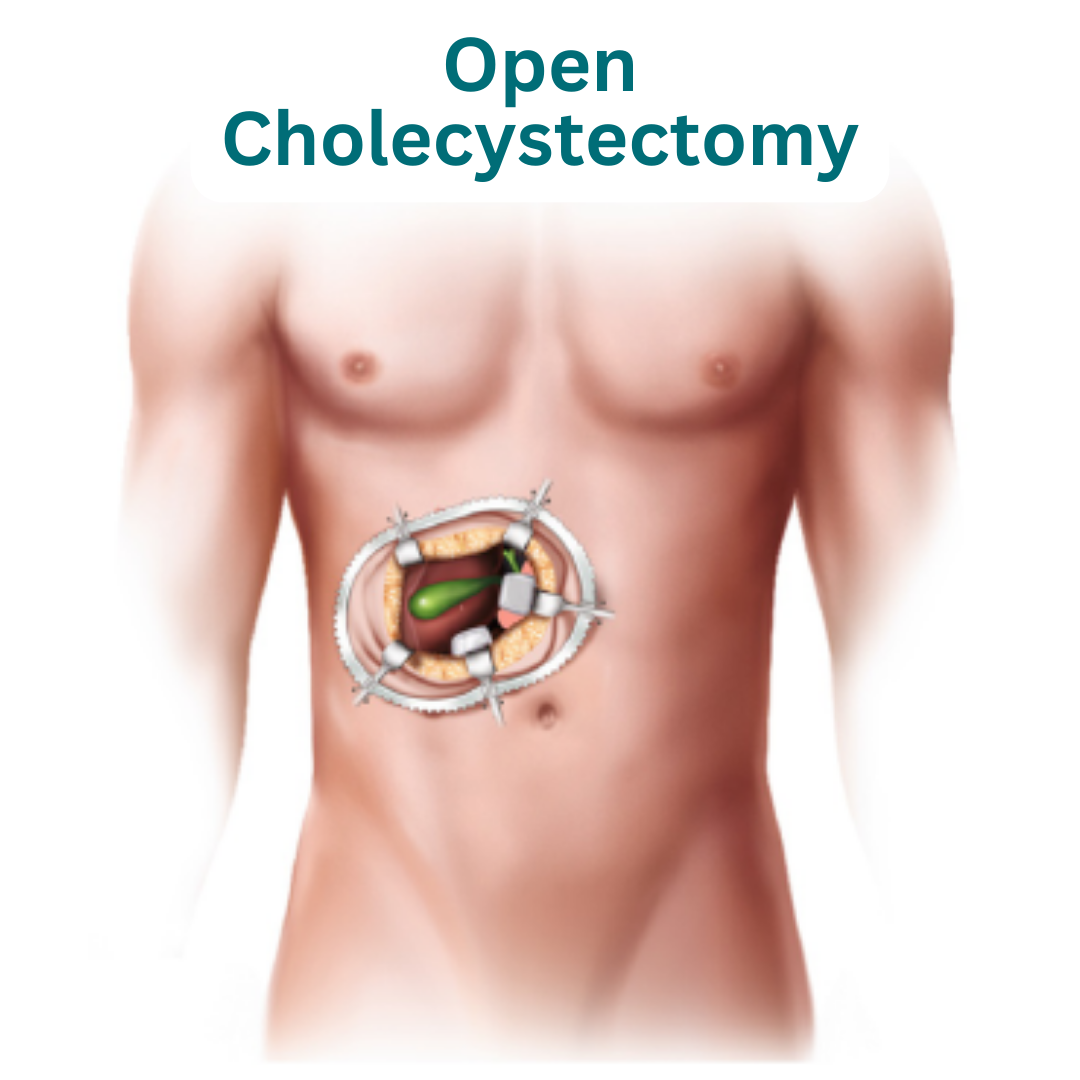
Open Cholecystectomy:
- Procedure: This is performed through a larger incision in the abdomen. It may be necessary if there are complications or if the laparoscopic approach is not possible.
- Recovery: It generally involves a longer hospital stay and recovery period.
-
We’re Here Whenever You Need Us
docgovind320@gmail.com
Phone
+91-96177 41852
Open Hours
Mon & Fri: 09AM – 11 PM
Mon To Sat: 06PM – 08PM
Miracles Apollo Cradle Hospital
Vatika India Next, Plot No. 45, Sector 82, Gurugram, Haryana 122004