
Gallbladder Stone Pain vs Gas: How Can You Tell the Difference?
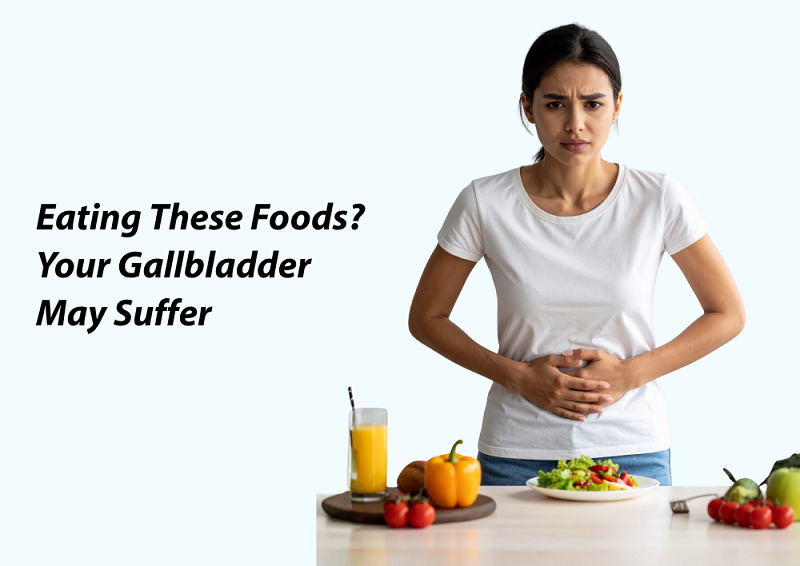
Gallbladder Stone Pain vs Gas: How Can You Tell the Difference?
A sudden pain in the upper abdomen can be confusing. You may feel bloated, uncomfortable, or unusually full after a meal and assume it is simply gas. But sometimes, similar-looking symptoms can be caused by gallbladder stones.
Knowing the difference between gallstone pain and gas pain can help you understand when simple dietary changes may be enough and when it is better to consult a doctor.
Gallstones are hardened deposits that develop inside the gallbladder. They may not cause any symptoms at all, but when a stone blocks the normal flow of bile, it can lead to a characteristic type of abdominal pain known as biliary colic.
Dr. Govind Yadav, renowned General Surgeon in Gurgaon at Miracles Healthcare, explains, “Not every upper abdominal pain is gas, and understanding the pattern and associated symptoms can help identify when gallstones may be the underlying cause.”
So, how can you tell whether your abdominal pain is from gas or gallstones? Let’s understand the important differences.
Plan For Your Visit

Identification
Bring ID for registration and verification.

Recent Lab Results
Bring recent lab results for evaluation.

Questions
Prepare questions for your consultation.
Why Gallbladder Pain Can Be Mistaken for Gas
“It’s probably just gas; it will settle down.” This is often the first thought when abdominal discomfort appears after a meal. And because gas, acidity, indigestion, and gallbladder pain can feel similar, it is easy to overlook the real cause, especially when the pain is mild or occurs only occasionally.
But there’s an important clue: repeated pain in the upper abdomen, particularly after rich or fatty meals, should not always be dismissed as gas. Gallstones can remain silent for years and may never cause symptoms in some people. However, when a stone interferes with the normal flow of bile, it can trigger painful episodes and, in some cases, lead to complications.
Dr. Govind Yadav explains, “If upper abdominal pain keeps coming back, especially after meals, it is important to look beyond gas and find out what is actually causing the pain.”
Paying attention to where the pain occurs, how long it lasts, what triggers it, and whether other symptoms appear can provide useful clues and help you know when it is time to consult a doctor.
What Does Gas Pain Usually Feel Like?
Gas develops when air builds up in the digestive tract or when bacteria in the intestine break down certain foods. It is common and usually temporary.
Gas pain may feel like:
- Cramping or pressure in the abdomen.
- Bloating or a feeling of fullness.
- Burping or passing gas.
- Pain that moves from one area of the abdomen to another.
- Discomfort that improves after passing gas or having a bowel movement.
- A feeling of abdominal tightness after eating certain foods.
Gas-related discomfort can occur in different parts of the abdomen. You may sometimes even feel it higher up, which can make it difficult to differentiate from other causes of abdominal pain. Foods such as beans, carbonated drinks, fried foods, and certain vegetables can increase gas in some people. Eating fast and swallowing excess air can also contribute.
Dr. Govind Yadav clarifies that Gas pain can sometimes feel surprisingly high in the abdomen, so paying attention to the pain’s location, duration, and triggers is important rather than assuming every abdominal discomfort is just gas.
In many cases, gas-related discomfort resolves as the digestive tract moves the trapped air through. But if abdominal pain is severe, keeps returning, or is accompanied by symptoms such as vomiting, fever, or yellowing of the eyes or skin, it is important to seek medical evaluation rather than assuming it is only gas.
What Does Gallbladder Stone Pain Feel Like?
Gallstone pain tends to have a different pattern.
The gallbladder is located under the liver in the upper-right part of the abdomen. When a gallstone blocks a bile duct, pain can develop, particularly after a heavy or fatty meal.
Gallstone pain is often:
- Felt in the upper-right abdomen
- Sometimes felt in the centre or upper-middle abdomen
- Sudden and fairly intense
- Persistent rather than coming and going quickly
- Sometimes felt in the right shoulder or between the shoulder blades
- Associated with nausea or vomiting
Unlike ordinary gas discomfort, gallbladder pain usually does not disappear simply after passing gas or having a bowel movement.
The pain may last from several minutes to a few hours. Some people notice that it occurs repeatedly, especially after meals.
Gallbladder Stone Pain vs Gas Pain
Although symptoms can overlap, the location, duration, and associated symptoms can provide useful indications.
|
Feature |
Gas Pain |
Gallbladder Stone Pain |
|
Typical location |
Can occur anywhere in the abdomen |
Usually in the upper-right or upper-middle abdomen |
|
Nature of pain |
Cramping, pressure, or bloating |
Steady, intense, or aching pain |
|
Movement |
May shift around the abdomen |
Usually remains in one area |
|
Relief after passing gas |
Often improves |
Usually does not improve |
|
Relation to meals |
Can occur after many different foods |
Often follows a heavy or fatty meal |
|
Duration |
Often short-lived or intermittent |
May last several hours |
|
Other symptoms |
Bloating, burping, or flatulence |
Nausea, vomiting; sometimes fever or jaundice if complications occur |
These differences are helpful, but they are not enough to diagnose gallstones on your own. Many digestive conditions can cause similar abdominal symptoms.
How are Gallstones Diagnosed?
If your doctor suspects gallstones, they may start with a physical examination and review of your symptoms. They may ask about the location and nature of your pain, how long it lasts, and whether you experience nausea, vomiting, or digestive discomfort.
An abdominal ultrasound is commonly used to detect gallstones and assess the gallbladder. Depending on your symptoms, blood tests or additional imaging may also be recommended to check for inflammation, infection, or complications.
Dr. Govind Yadav says, “The important thing is that gallstone symptoms can sometimes resemble other digestive problems, so relying solely on the location of pain is not always enough. That is why we conduct a proper evaluation and recommend timely imaging for an accurate diagnosis. This helps differentiate gallstones from other causes such as acidity, gastritis, ulcers, pancreatitis, or other abdominal conditions.”
Can Gallstones Go Away on Their Own?
Once gallstones have formed, they generally do not simply disappear because you change your diet or drink more water.
However, not everyone with gallstones needs surgery. If stones are discovered incidentally and are not causing symptoms, a doctor may recommend observation in appropriate cases.
When gallstones repeatedly cause pain or lead to complications, treatment may be advised. For symptomatic gallstones, laparoscopic gallbladder removal (laparoscopic cholecystectomy) is a commonly performed treatment.
Your surgeon will determine the appropriate approach based on your symptoms, examination, and test results.
When to Consult a Doctor?
Consider speaking with a doctor if you repeatedly experience:
- Pain in the upper-right abdomen
- Abdominal pain after fatty or oily meals
- Pain that travels to the right shoulder or back
- Nausea or vomiting along with abdominal pain
- Recurrent episodes of unexplained upper abdominal pain
- Pain that does not improve after passing gas
Don’t Ignore Repeated Abdominal Pain
Gas is common, but repeated abdominal pain should not always be dismissed as gas. If you notice a pattern of upper-right abdominal pain, particularly after meals, or experience nausea, vomiting, fever, or jaundice, consult a general surgeon near you at Miracles Healthcare for medical advice.
Miracles Healthcare is a general surgery hospital in Gurgaon that provides patients with access to comprehensive general surgical care backed by NABH accreditation and over two decades of excellence. The hospital provides evaluation and treatment for conditions including gallstones, piles, fissures, fistula, appendix, hernia, and varicose veins. With its multiple centres across Gurgaon and evening OPD availability, patients have greater flexibility to seek a surgical consultation around their schedule. For concerns such as gallstones, abdominal pain, or other digestive symptoms, you can consult Dr. Govind Yadav for a detailed evaluation. Based on your symptoms and examination, the doctor may recommend appropriate investigations or imaging to identify the underlying cause and plan the right treatment.
If your abdominal pain keeps coming back, don’t keep guessing; schedule a consultation with Dr. Govind Yadav and get the cause evaluated.
We’re Here Whenever You Need Us
docgovind320@gmail.com
Phone
+91-96177 41852
Open Hours
Mon & Fri: 09AM – 11 PM
Mon To Sat: 06PM – 08PM
Miracles Apollo Cradle Hospital
Vatika India Next, Plot No. 45, Sector 82, Gurugram, Haryana 122004